For the past eight years, Big Brother Naija has reigned as Nigeria’s biggest reality television show, dominating conversations both online and offline.
From its dazzling Saturday night parties to dramatic evictions and controversial housemates, BBNaija has built a cultural empire that stretches far beyond television.
But before the glitz of BBNaija and its multimillion-naira endorsements, Nigeria already had a vibrant television culture, filled with shows that shaped pop culture, created stars, and glued families to their TV screens.
In this article, The New Daily Prime will take a nostalgic trip back to the golden age of Nigerian TV, from Who Wants To Be A Millionaire to Gulder Ultimate Search, from Superstory to Maltina Dance Hall.
These shows defined an era when television was less about internet virality and more about communal viewing.
Who Wants To Be A Millionaire

In 2004, Nigerian television changed forever when Who Wants To Be A Millionaire (WWTBAM) premiered. Adapted from the British format, the show was an instant hit. Hosted by the iconic Frank Edoho, his calm yet commanding presence became the soul of the program.
Families across the country would gather every Sunday evening, eager to see contestants sit nervously in the hot seat, hoping to answer questions that could change their lives.
The suspenseful “final answer?” and the lifelines – 50:50, Phone a Friend, and Ask the Audience, were etched into the nation’s collective memory.
WWTBAM was more than just entertainment. It gave everyday Nigerians, teachers, civil servants, and traders the chance to dream big in a country where opportunities were often scarce.
Winning one million naira wasn’t just a game; it was a life-altering event. In many ways, it democratised aspiration, showing that knowledge could truly be power.
Gulder Ultimate Search

If WWTBAM was about knowledge, then Gulder Ultimate Search (GUS) was about grit, endurance, and sheer determination.
Launched in 2004, GUS was Nigeria’s first fully homegrown reality TV show, long before BBNaija. It combined adventure, mystery, and survival in a way that enthralled viewers.
Set in forests, deserts, rivers, and caves across Nigeria, contestants were pushed to their limits in search of the “Ultimate Treasure.”
Unlike BBNaija’s glamorous lifestyle, GUS contestants faced mosquitoes, hunger, physical exhaustion, and harsh weather. Yet, Nigerians tuned in faithfully to cheer them on.
The show produced unforgettable winners and characters, from Hector Joberteh (Season 3 winner, who later tragically lost his life) to Dominic Mudabai and Kunle Remi.
Beyond entertainment, GUS gave Nigerians a rare glimpse of the country’s landscapes and heritage, reminding viewers of the raw beauty of places like Shere Hills, Ososo, and Snake Island.
At its peak, GUS was a national obsession, and it cemented itself as a cultural milestone that proved Nigerians could create a world-class reality show of their own.
Read Also: Yoruba nollywood actresses who found love on set
Superstory
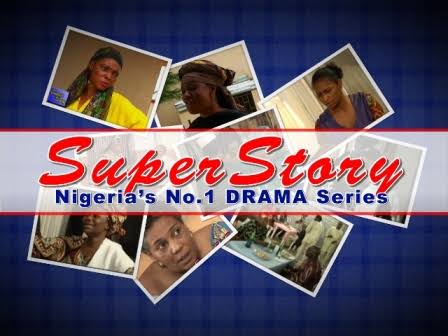
Long before BBNaija’s drama-filled diary sessions, Nigerian families found their dose of suspense and emotion in Superstory.
Created by Wale Adenuga Productions (WAP), Superstory became one of Nigeria’s most enduring television dramas.
The show’s opening line, “We are nothing but pencils in the hand of the Creator,” still echoes in the minds of millions who grew up in the 2000s.
With stories drawn from everyday struggles, betrayals, triumphs, and societal issues, Superstory was more than entertainment, it was moral theatre.
Episodes like Oh Father! Oh Daughter!, No Pain No Gain, and Nnenna captured the essence of Nigerian life in ways that few shows had done before.
It wasn’t just television; it was communal therapy. Mothers, fathers, children, and even grandparents would gather in living rooms, discussing characters as though they were real neighbors.
Superstory’s genius lay in its ability to blend entertainment with education. Each story carried a message about greed, love, sacrifice, or destiny that stuck long after the closing credits rolled.
Maltina Dance All: When families stole the spotlight