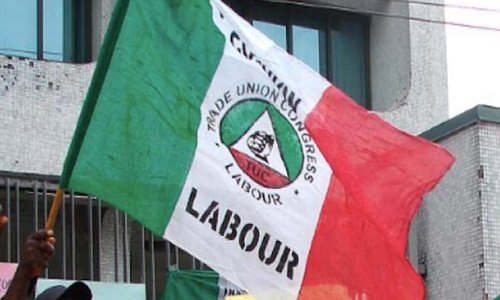
The strike led by the Nigeria Labour Congress (NLC) in the Federal Capital Territory (FCT) has stretched into its 11th day, with negotiations between labour unions and Area Council Chairmen deadlocked. The dispute centres on the timeline for implementing the N70,000 minimum wage.
On Tuesday, Abdullahi Kabir, the FCT Chairman of the Nigerian Union of Local Government Employees (NULGE), provided updates on the ongoing discussions. According to Kabir, the Area Council Chairmen have proposed implementing the new minimum wage in January 2025. However, this suggestion was firmly rejected by the unions, which are insisting on a December 2024 start date.
“As I speak to you now, discussions are ongoing with the Area Council Chairmen. They are appealing to the union to shift the implementation to January, but the union remains adamant that implementation must begin in December,” Kabir told reporters.
The unions argue that delaying the implementation to January would increase wage arrears to five months, whereas starting in December would reduce the arrears to four months.
“The core issue is simple: the chairmen want implementation in January, but we insist on December. If they delay until January, arrears will increase to five months, but starting in December will limit it to four. That is where the deadlock lies,” Kabir explained.
Kabir also highlighted other pressing grievances affecting local government workers in the FCT. He pointed out disparities in pay and allowances between local government staff and their counterparts in the Federal Capital Territory Administration (FCTA).
“It’s not just about the minimum wage. Local government workers are being denied peculiar allowances that FCTA staff enjoy, yet we face the same cost of living. We are also waiting for the implementation of the 25% CONHESS and CONMESS allowances, as well as wage awards. These issues remain unresolved,” Kabir said.
He emphasized the unique administrative structure of the FCT, noting that the FCT Minister acts as a representative of President Bola Tinubu, who serves as the de facto governor of the territory.
“The FCT is not like other states. Here, the FCT Minister stands in for President Bola Tinubu as the governor. By this arrangement, FCT workers should be entitled to the same benefits as federal workers, but that has not been the case,” he lamented.
“The strike is still ongoing. We will not call it off until the NLC provides us with a counter directive or presents an agreement or memorandum of understanding with the government,” he said.
Efforts to reach Stephen Knabayi, the FCT Council Chairman of the NLC, for his comments were unsuccessful, as he did not respond to calls or messages at the time of filing this report.
The strike, which began nearly two weeks ago, has caused significant disruptions in the FCT. Local government offices remain closed, and workers are determined to hold their ground until their demands are met. The standoff underscores the broader challenges of implementing wage reforms across the country amidst rising inflation and economic constraints.
The outcome of the ongoing negotiations will likely set a precedent for similar disputes in other regions. For now, residents of the FCT are bracing for continued disruptions as the impasse drags on.